
The Dying Desert and the Wish for Elsewhere
The ForgivenThis flow follows the decline of the desert communities and the ways their characters imagine water, migration, money, or departure as a possible future.
increasing Bearing strength in each event
 decreasing
Bearing strength in each eventdecreasingA Vanishing Oasis
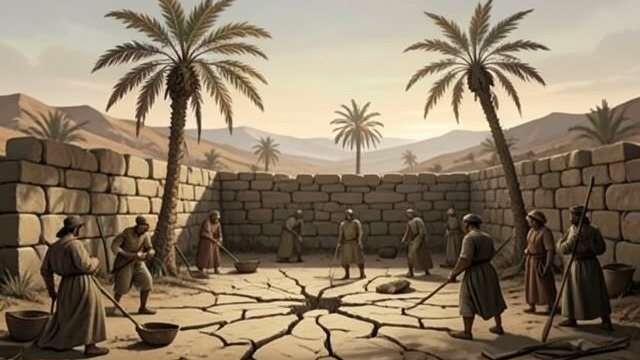
A Landscape in Decline
The villages around Tafal’aalt face failing trees, encroaching desert, and shrinking opportunities. The oasis that once sustained people is weakened by disease and environmental change.
The loss is described not only as scenery but as a condition that shapes work, family, and migration. Fossil extraction becomes one of the few available sources of income.
Survival on a Narrow Margin
The residents are not simply choosing to remain in a harsh place; their choices are constrained by poverty and limited access to alternatives. Each household has to make a future from whatever resources remain.
The dying landscape makes the characters’ longing for elsewhere intelligible. It also makes clear that leaving is not an easy solution available to everyone.
A City Imagined
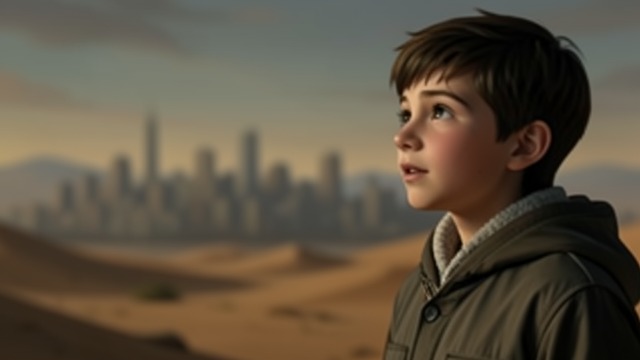
Paris as Promise
Driss and Ismael talk about Paris as a place that might offer work, freedom, and a life beyond the quarry. Driss’s stories give the city a powerful role in the younger boy’s imagination.
Driss has actually experienced migration and disappointment, but he tells the story selectively. Paris remains attractive partly because it is distant enough to hold whatever the desert lacks.
The Gap Between Hope and Experience
Driss’s account of Europe eventually includes loneliness, failed job searches, and expensive daily life. The city does not fulfill the promise that first made leaving seem inevitable.
Paris remains an imagined escape even after Driss returns. The contrast between aspiration and disappointment shows how migration can be both a real attempt at survival and a fantasy shaped by limited options.
Water as Longing
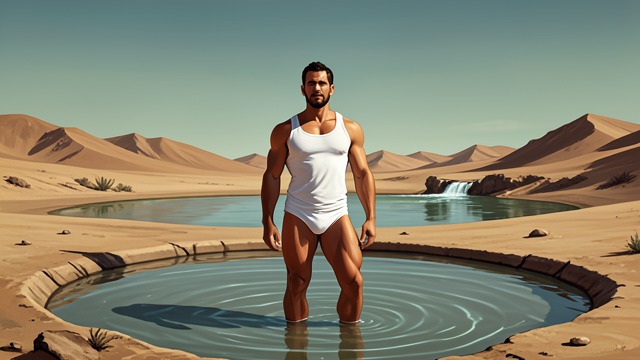
Cold Water in Heat
Water appears as relief in a region where heat, sand, and scarcity shape daily experience. Jo swims at the party and later thinks about the landscape through its pools and channels.
The local springs have their own meanings and customs, while the guests use swimming as recreation. The same water can be essential resource, private amenity, and social boundary.
Desire and Dependence
Characters imagine cooler places such as Sweden or long for a moment of bodily relief. Their wishes reveal how climate enters emotion and how comfort becomes a measure of security.
Water offers temporary release but not a solution to poverty, grief, or marital alienation. Its recurring presence makes the desert’s scarcity and the characters’ longing tangible.
Anouar’s Planned Departure
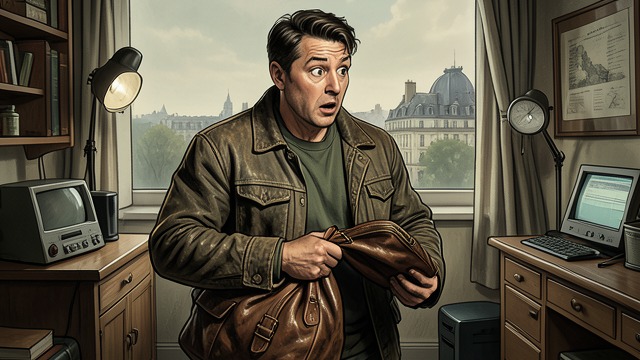
A Future in France
Anouar tells David that he hopes to emigrate to France and work in a cousin’s restaurant in Rennes. He sees leaving as a difficult but necessary alternative to remaining in Tafal’aalt.
His plans echo Driss’s earlier ambitions, but Anouar presents them as a practical decision discussed with his father. He is trying to arrange a future rather than relying entirely on improvisation.
A Gift with Consequences
David gives Anouar two thousand euros, intending to help with the journey. Anouar accepts the bag with surprise and waits to open it as requested.
The gift creates a small bridge between their lives but does not guarantee that Anouar will reach France or prosper there. The novel leaves migration as a wager made under unequal conditions, not a simple path to freedom.
A Future Cut Short
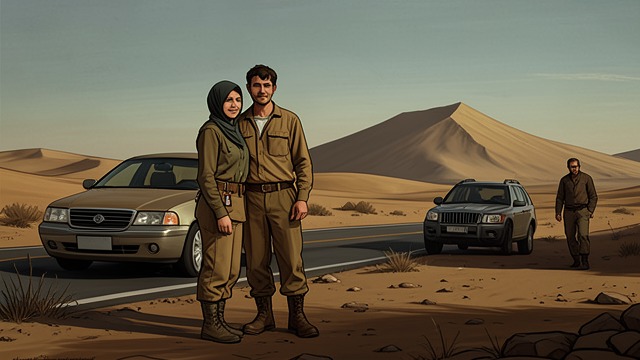
The Road Beyond the Village
The Hennigers leave Azna hoping to return to familiar life, while Anouar and Ismael carry separate possibilities of departure and danger. The people of the desert remain bound to a landscape whose resources are declining.
The final encounter brings Ismael and David together again at the roadside where Driss died. The journey out does not provide the escape or closure the travelers imagined.
No Simple Elsewhere
David’s death interrupts the Hennigers’ planned return, while Driss’s failed journey and Anouar’s uncertain ambition remain part of the same wider landscape of constrained choices. Leaving can open a possibility, but it cannot erase what has happened.
The desert is neither only a trap nor a romantic refuge. It is a lived place where people seek survival, and where the future is shaped by resources, power, grief, and chance.
Before Abdellah reaches Azna
During Driss’s conversations with Ismael
Saturday and Sunday at the springs and pools of Azna
Monday morning on the road back to Azna
The final night after the Hennigers leave Azna
